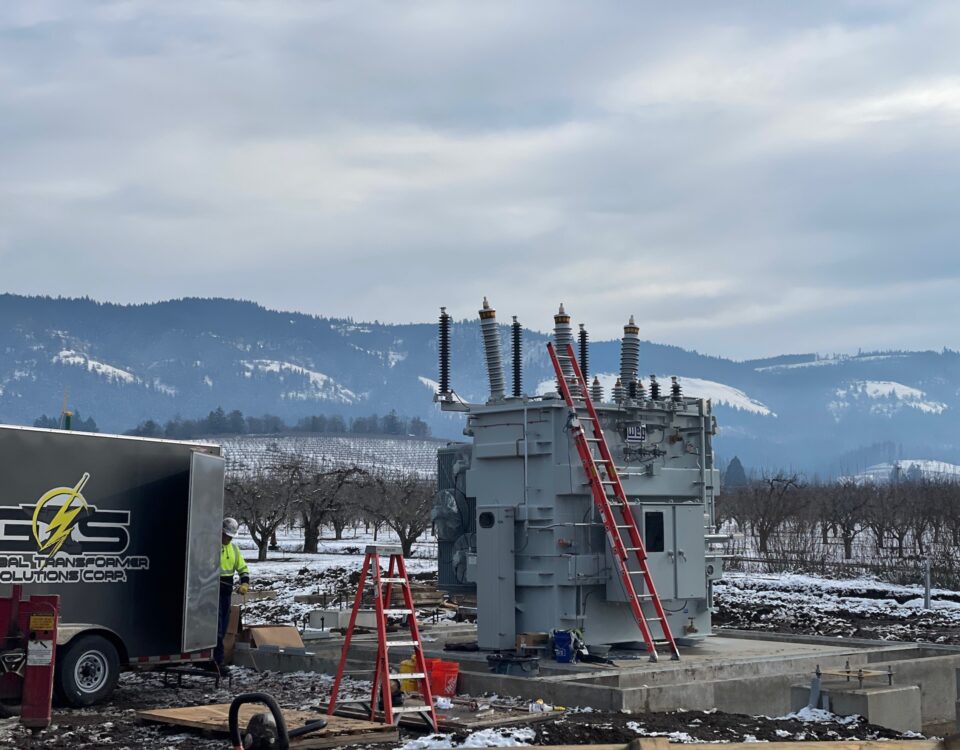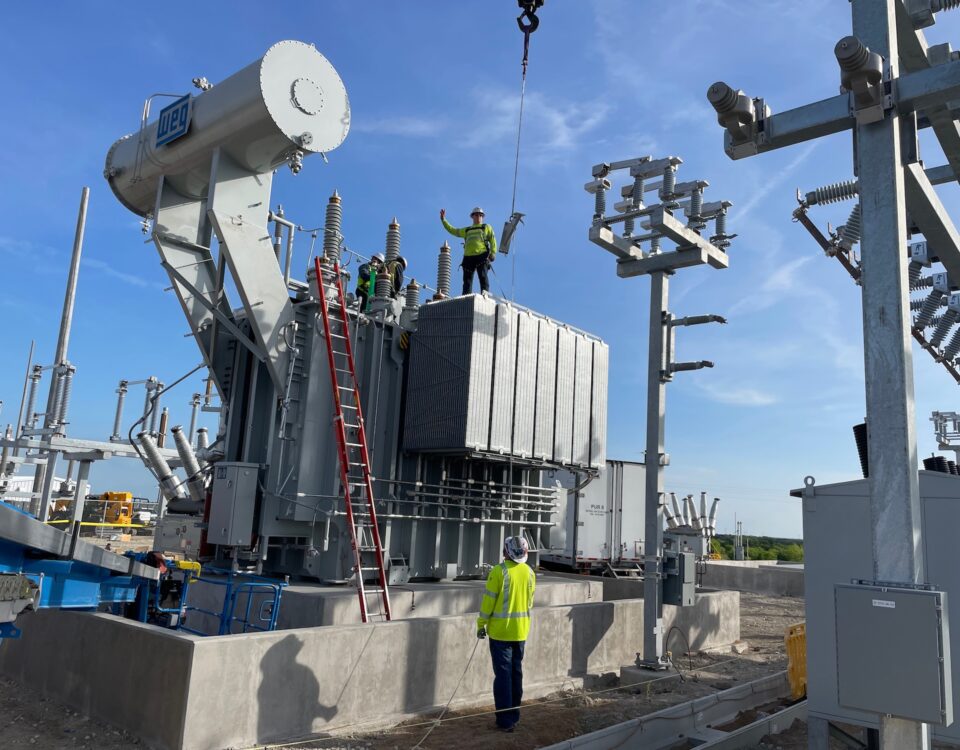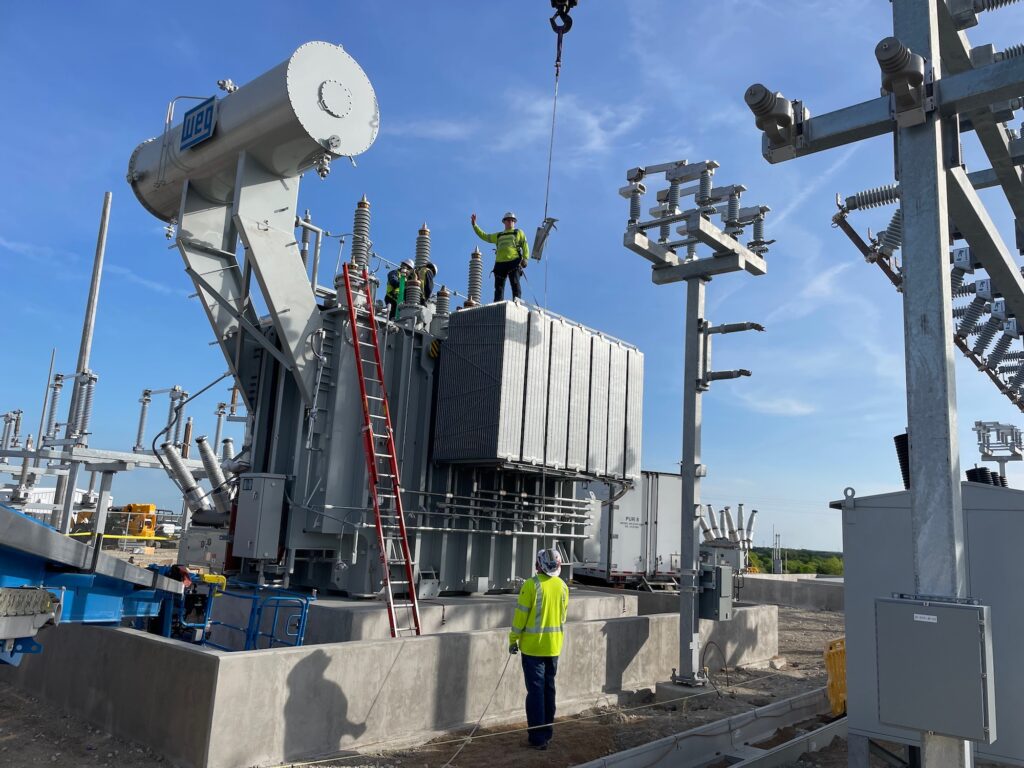

Here in the Midwest, our electrical grid handles some of the most brutal environmental swings in the country. From sub-zero winter freezes to humid, high-load summer afternoons, high-voltage transformers are constantly pushed to their limits.
At Global Transformer Solutions (based right here in Centuria, Wisconsin), we help facility managers, co-ops, and utilities across the region keep their infrastructure running smoothly. While there are many facets to a healthy substation maintenance program, one critical practice stands above the rest: oil processing.
Here is why your transformer oil requires active processing, and how it directly saves your operation from catastrophic, expensive downtime.
The Hidden Enemies: Moisture, Oxygen, and Sludge
Transformer oil serves two vital roles: it insulates the high-voltage internal components and cools the unit by transferring heat away from the core. When the transformer is brand new, the oil is highly refined, clear, and incredibly efficient.
However, over years of thermal cycling (heating up under load and cooling down), three major enemies slowly degrade that pristine oil:
- Moisture: Water is the ultimate enemy of dielectric strength (the oil’s ability to resist electrical breakdown). Moisture enters through minuscule leaks, atmospheric breathing, or the natural degradation of the internal paper insulation.
- Oxidation: When oil reacts with oxygen at high temperatures, it undergoes chemical breakdown. This creates acids that attack the interior cellulose insulation.
- Particulates and Sludge: As acids and moisture weaken the paper insulation, microscopic carbon particles, metal shavings, and heavy sludge settle out of the oil, building up on the cooling fins and blocking heat dissipation.
Why “Just Testing” the Oil Isn’t Enough
Many facilities perform a routine Dissolved Gas Analysis (DGA) or dielectric breakdown test. While these diagnostics are absolutely essential, they only tell you if your transformer is in trouble. They don’t fix the problem.
When tests reveal high moisture or a low dielectric threshold, oil processing is the action plan. Rather than undertaking the massive expense of completely replacing thousands of gallons of fluid, professional oil processing cleans, purifies, and reclaims your existing asset.
Here is what the process actually accomplishes:
1. Vacuum Dehydration and Degassing
Using specialized mobile processing rigs, the oil is heated and passed through a high-vacuum chamber. Because water boils at a much lower temperature under a vacuum, this process completely vaporizes and draws out both dissolved and free-floating water, as well as trapped combustible gases.
2. High-Efficiency Filtration
The oil is forced through particulate filters to remove microscopic solid contaminants. This restores the oil’s clarity and prevents particles from creating a “bridge” for an electrical arc to travel across.
3. Acid Reclamation
If the oil has begun to oxidize, running it through specialized media (like Fuller’s Earth) filters out the acidic byproducts and sludge, lowering the total acid number (TAN) and restoring the oil’s natural interfacial tension.
The True ROI: Replacing a failed substation transformer can cost hundreds of thousands of dollars and months of lead time. Processing your oil proactively can extend the life of your current unit by 10 to 15 years for a fraction of that cost.
Partner with the Midwest’s Transformer Experts
You don’t have to ship your equipment out or handle the risks of fluid management alone. At Global Transformer Solutions, we bring the processing power directly to you. From our home base in Centuria, WI, our mobile field service teams travel across Wisconsin, Minnesota, Iowa, Illinois, and the Dakotas to perform on-site oil testing, purification, and full-scale reclamation.
Don’t wait for a high-moisture alarm to shut down your operation. Let’s keep your grid reliable, efficient, and resilient against whatever the Midwest weather throws our way.
Ready to schedule a fluid analysis or speak with a field engineer? Contact Global Transformer Solutions today.