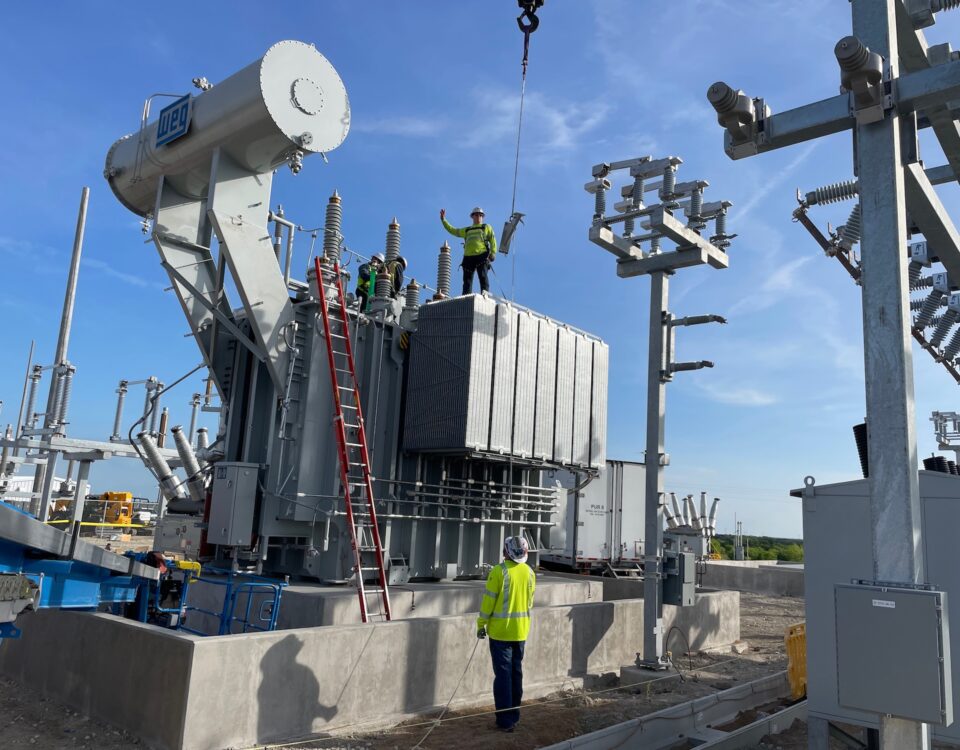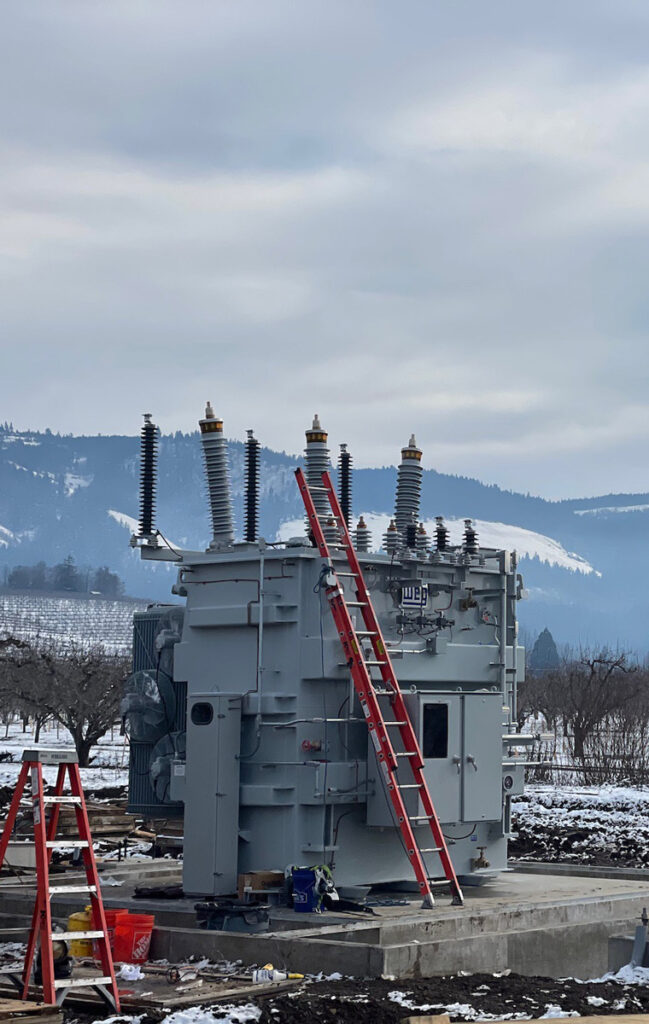
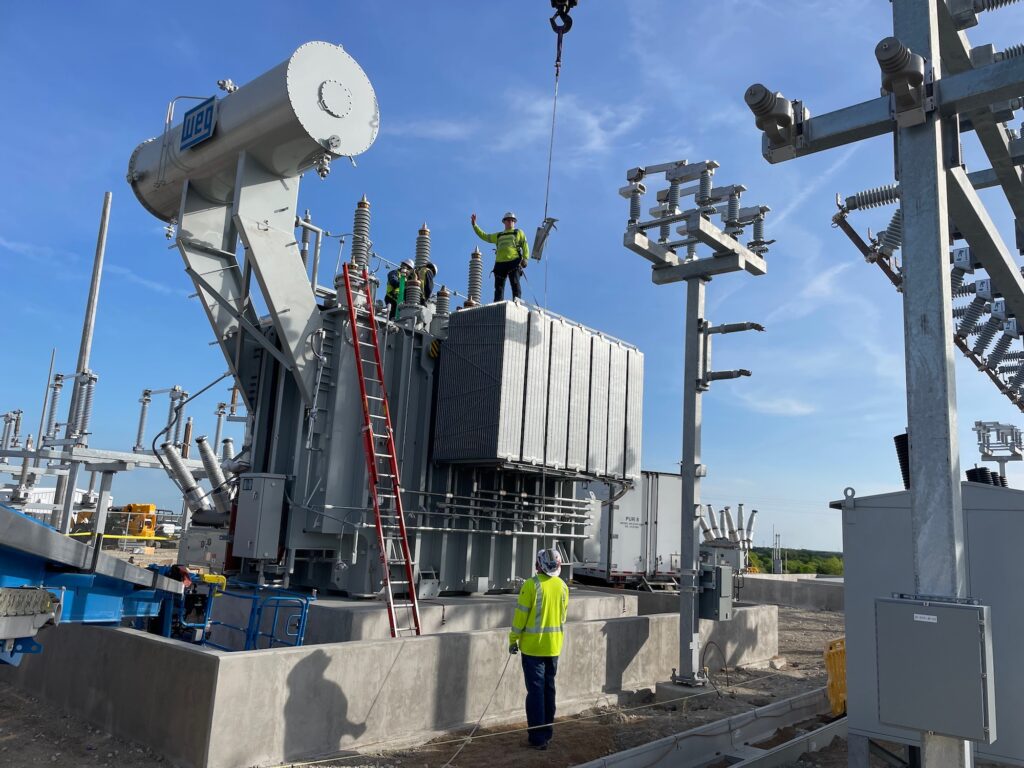
Transformer oil filtration is a critical maintenance process that safeguards the efficiency, longevity, and safety of power transformers. Serving as both an insulating and cooling medium, transformer oil is essential to power distribution systems. Over time, however, it can become contaminated with moisture, gases, and particulate matter—reducing performance and increasing the risk of costly failures.
For professional transformer oil filtration and processing, contact Global Transformer Solutions, located in Centuria, WI.
Why Transformer Oil Filtration Matters
1. Ensures Proper Insulation and Cooling
Transformer oil performs two main functions:
- Insulation: Prevents electrical discharges between internal components.
- Cooling: Dissipates heat generated during operation.
Contaminants like water, gases, and particles reduce dielectric strength and thermal conductivity, raising the risk of overheating, insulation failure, and equipment damage.
2. Removes Harmful Contaminants
Transformer oil can be compromised by:
- Moisture: Enters via seals, gaskets, or condensation, lowering insulation effectiveness.
- Gases: Hydrogen, acetylene, and methane from electrical discharges can form bubbles, impairing insulation.
- Particles: From internal wear, causing abrasion and electrical faults.
Filtration restores the oil’s properties, helping prevent unplanned outages and extending transformer life.
3. Enhances Performance and Longevity
Clean transformer oil ensures optimal cooling and insulation, reduces maintenance needs, and helps recover a transformer’s original operating efficiency. Similar processes, like generator rewinding, support the reliability of power systems by maintaining insulation integrity.
Transformer Oil Filtration Process
1. Initial Testing and Analysis
Before filtration, oil is analyzed to assess contamination levels:
- Dielectric Strength Test: Measures resistance to electrical breakdown.
- Moisture Content Test: Detects water levels that can impair insulation.
- Dissolved Gas Analysis (DGA): Reveals potential internal arcing or faults.
- Particle Count Test: Quantifies solid contaminants from aging.
These tests determine the appropriate filtration method.
2. Filtration Techniques
Different techniques remove specific contaminants:
- Mechanical Filtration: Removes solid particles using screens or filters.
- Vacuum Dehydration: Eliminates moisture and dissolved gases.
- Centrifugation: Separates water and solids quickly.
- Adsorption: Uses materials like activated clay or silica gel to remove moisture, acids, and polar compounds.
Combinations of these methods often deliver the most thorough results.
3. Post-Filtration Testing
After filtration, oil is retested to confirm it meets electrical and chemical standards, ensuring safe reintroduction into the transformer.
Best Practices for Transformer Oil Filtration
- Regular Monitoring: Establish an oil analysis program to detect early contamination.
- Invest in Quality Equipment: Use advanced filtration units suited to your transformer type.
- Follow Manufacturer Guidelines: Adhere to recommended filtration intervals and procedures.
- Hire Certified Professionals: For high-voltage or complex transformers, work with specialists for safe and effective results.
Conclusion
Regular transformer oil filtration is essential for maintaining transformer performance, safety, and lifespan. By implementing proper testing, filtration techniques, and maintenance practices, power operators can protect their infrastructure, avoid costly breakdowns, and maintain reliable service.
For professional transformer oil processing and filtration services, contact Global Transformer Solutions, located in Centuria, WI. Keep your transformers operating safely and efficiently with expert care.